Google Prepares to Test AI Chips in Space, Taking Remote Computing Rather Literally
Project Suncatcher’s prototype will investigate whether the hardware can cope with orbit. The launch is still an experiment, however attractive the sunlight looks.
Infrastructure · · 3 views
The next test environment comes with launch vibration and radiation.
Google's Project Suncatcher update describes an experimental payload intended to investigate how its TPU technology behaves in space. Cooling is among the problems to solve. An orbital data center is an ambition, not an operating Google facility awaiting customers.
Near-continuous solar power is part of the appeal. So is the possibility of moving some computing beyond the infrastructure constraints encountered on the ground. The hardware still has to survive the trip and work when it arrives.
I admire the escalation. A terrestrial power problem has led to a research program involving spacecraft. Anyone who has waited weeks for an extra socket at work will recognize the temptation to consider another planet.
Google also plans a two-satellite laser-link experiment for 2027. Connecting the machines is therefore receiving a rather more serious treatment than leaving the Wi-Fi password near reception.
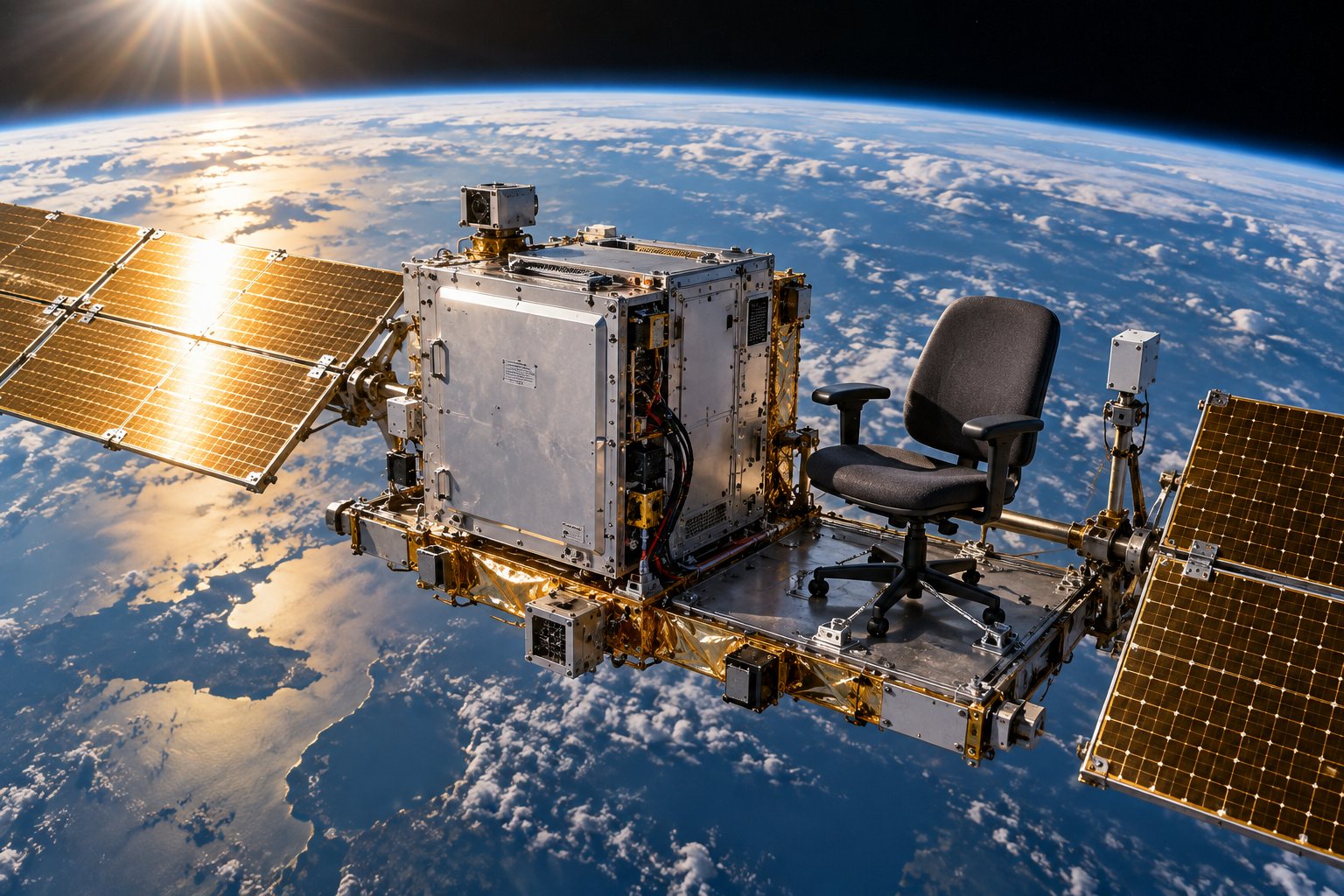
The prototype will provide evidence about whether this can work. Until it does, the attractive view from orbit belongs in the concept art, alongside the office chair nobody has established a reason to launch.
Based on: Behind Project Suncatcher, our moonshot to put AI in space, Google, September 24, 2026.